Variations and Individual Adaptations of Plate Frameworks
How plate models flex across different life stages, activity levels, and preferences
Activity Level and Energy Requirements
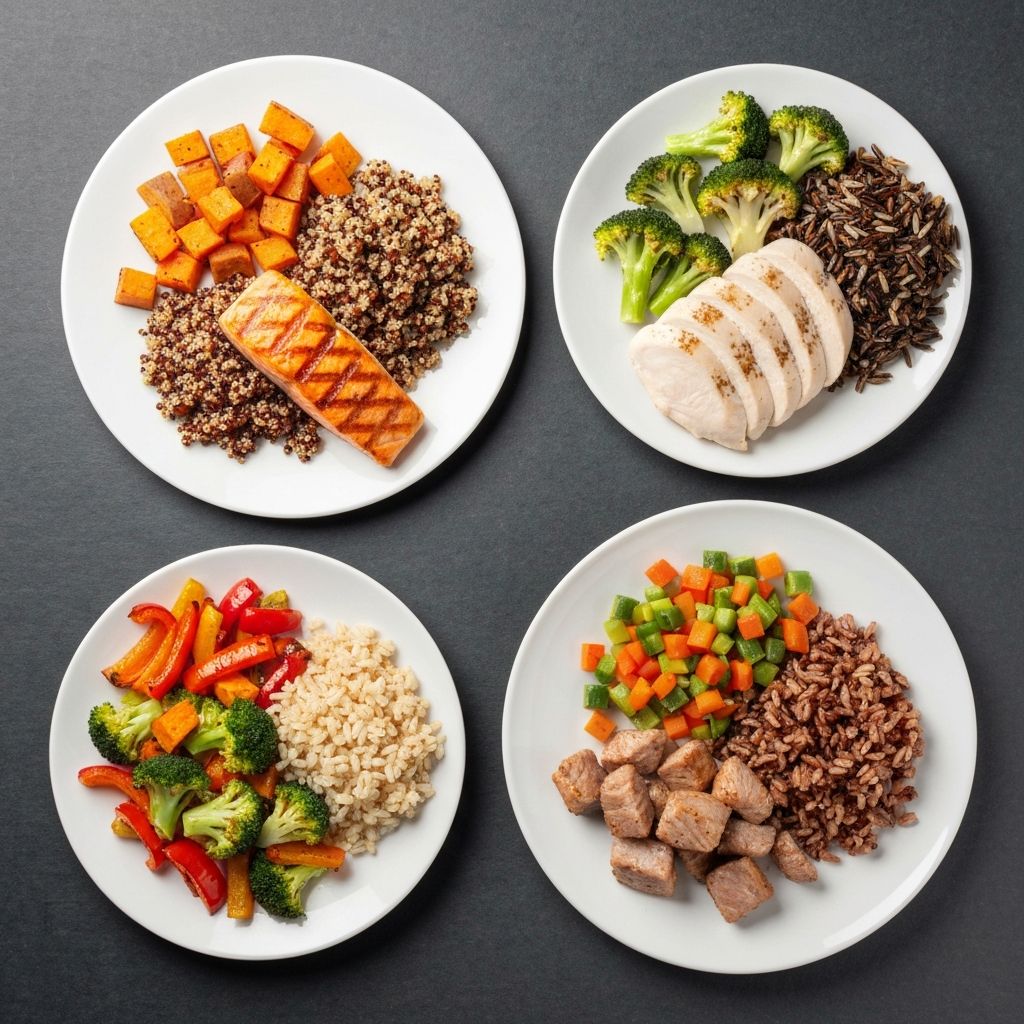
Physical activity substantially influences appropriate energy and carbohydrate portions within balanced plates. Athletes and highly active individuals may require carbohydrate portions exceeding the standard quarter recommended for sedentary populations. Increased energy expenditure necessitates increased energy intake.
The plate proportions remain conceptually valid while absolute portion sizes adjust. An athlete might fill their plate with the same proportional divisions as a sedentary person, simply using a larger plate and larger servings. This flexibility makes the framework adaptable without requiring calculation.
Life Stage Variations
Nutritional needs vary substantially across life stages. Growing children and adolescents have higher energy and nutrient requirements relative to body weight. Pregnant individuals require increased protein, folate, and iron. Older adults may prioritize protein intake and specific micronutrients while potentially reducing total energy intake.
Plate frameworks accommodate these variations without requiring different models. The proportional principles apply across age groups while portion sizes and specific food selections adjust. An older adult might use the same plate divisions as a younger person while selecting more nutrient-dense options to maximize micronutrient intake in smaller portions.
Dietary Preferences and Restrictions
Vegetarian and vegan eating adapts easily to plate proportions by substituting plant-based proteins while maintaining divisions. Gluten-free approaches use alternative grains within the carbohydrate quarter. Cultural food preferences naturally fit plate frameworks when diverse options appear in each section.
Food allergies and intolerances require substitution rather than framework abandonment. Someone allergic to tree nuts selects seeds or legumes within the protein section. Someone avoiding grains uses starchy vegetables instead. The flexibility within sections accommodates most dietary circumstances.
Metabolic Considerations
Individual metabolic variation influences optimal carbohydrate and fat proportions. Some people thrive with higher carbohydrate ratios while others feel better with increased fat. Insulin sensitivity, glucose regulation patterns, and individual metabolic responses create variation beyond population averages.
The plate framework provides flexibility for these individual variations. Rather than a single carbohydrate percentage, the model allows adjustment while maintaining the fundamental principle of balanced food group inclusion. Individuals discovering their metabolic patterns can adjust proportions while preserving the core structure.
Cultural and Traditional Adaptations
Traditional eating patterns across cultures often incorporate plate model principles even without explicit frameworks. Mediterranean diets naturally emphasize vegetables with grains and proteins. Asian cuisines balance rice, vegetables, and proteins. African traditional foods frequently include vegetables, legumes, and grains in balanced combinations.
Recognizing these cultural adaptations validates diverse eating approaches. Rather than imposing a single model, understanding that various traditions embody proportion principles allows people to adapt frameworks to familiar foods and preparation methods. Cultural food traditions provide natural examples of balance across components.
Snacking and Eating Frequency Variations
Some people eat three structured meals daily while others prefer frequent snacking. Some practice intermittent eating with fewer eating occasions. The plate model primarily addresses structured eating occasions but accommodates variable patterns. The core principle of balancing components applies whether implemented at one meal or distributed across multiple eating occasions.
Individual eating patterns reflect preferences, schedules, and lifestyle. The plate framework's flexibility allows implementation across various meal frequencies without requiring modification. Whether someone eats three balanced plate meals or six smaller balanced plate portions, the principle remains consistent.
Practical Implementation Variations
Real-world implementation varies based on food access, cooking equipment, budget, and time availability. Someone without kitchen facilities adapts through ready-made options. Budget constraints may emphasize seasonal produce and economical protein sources. Time limitations might favour faster-cooking vegetables and proteins.
Recognizing these practical variations prevents unsustainable recommendations. The plate framework provides guidance flexible enough to accommodate diverse circumstances. The goal of including vegetables, proteins, and grains works across many contexts when practical constraints are acknowledged.
Learn About Popular Plate Models
Compare different established frameworks and research perspectives on plate-based meal composition across populations.
Explore comparisons